Water Parliaments
Catalan participation at the 19th International Architecture Exhibition - La Biennale di Venezia 2025
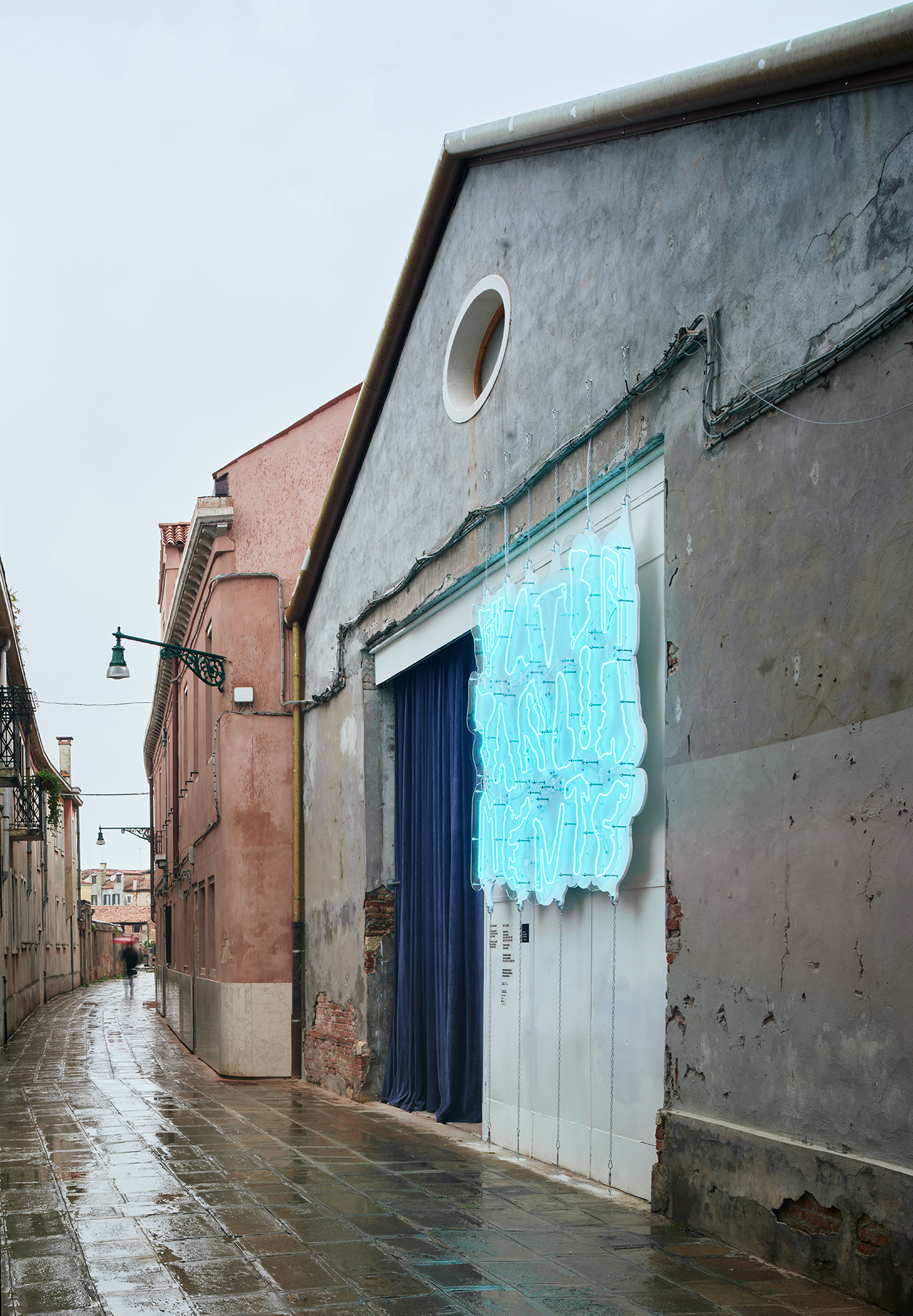
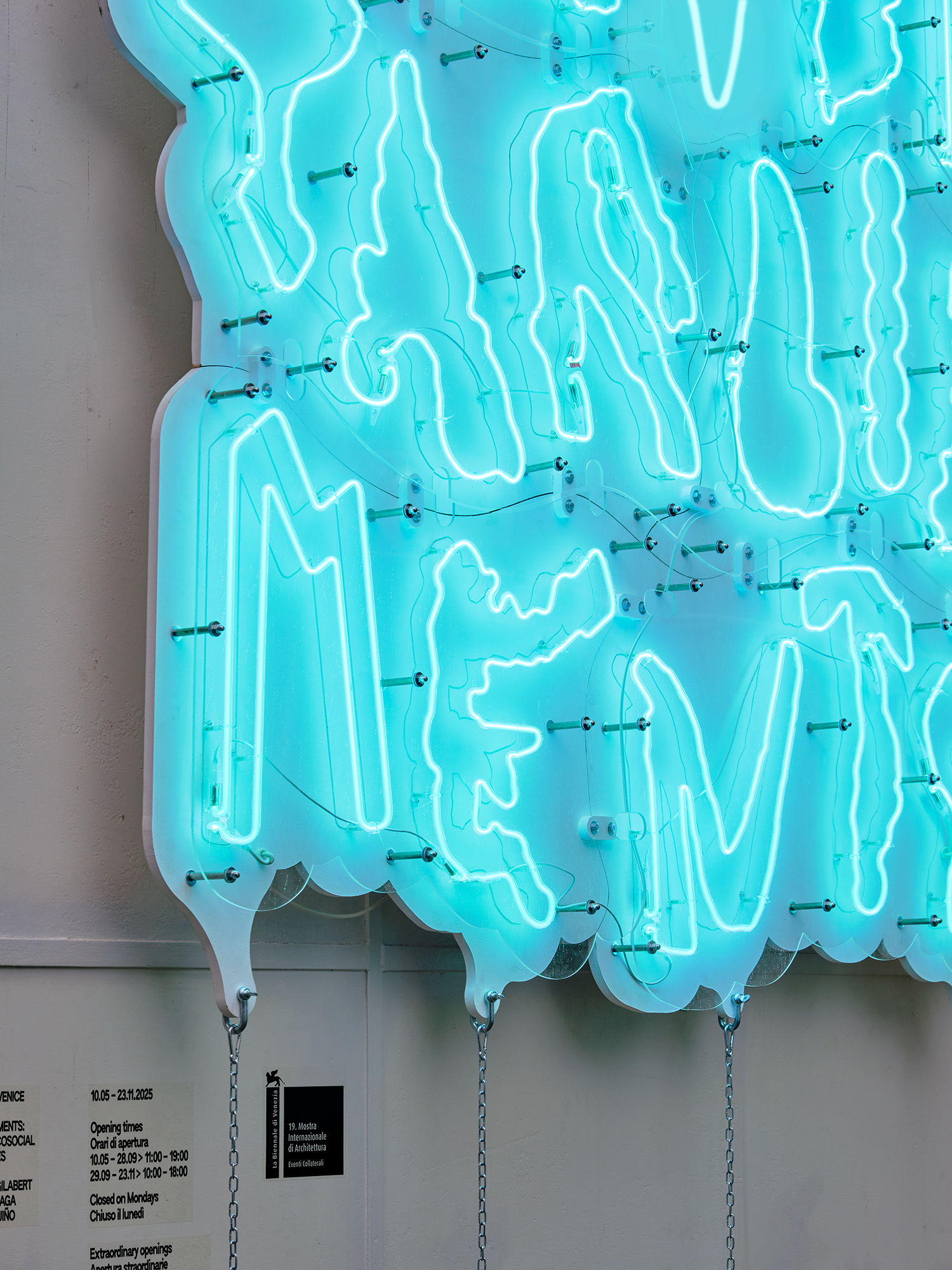
According to the United Nations, “the climate crisis is primarily a water crisis”; therefore, water resource management constitutes the greatest planetary challenge in the short term. It is precisely in rivers, streams, canals, deltas, reservoirs, and wetlands where our destiny as a viable species on this planet is decided daily. Water Parliaments aims to study the codependent relationships between humans, non-humans, and the water systems that sustain them, in order to propose hopeful future scenarios.
Droughts and other periods of water stress compel us to reshape the frameworks of political and economic agendas. In this sense, beyond considering water solely as an object of exploitation, the project highlights how different bodies of water connect humans, animals, plants, minerals, architectures, stories, legends, languages, and traditions, constructing cultural landscapes as specific as those of the Catalan territories, while remaining interconnected with ecological challenges on a planetary scale.
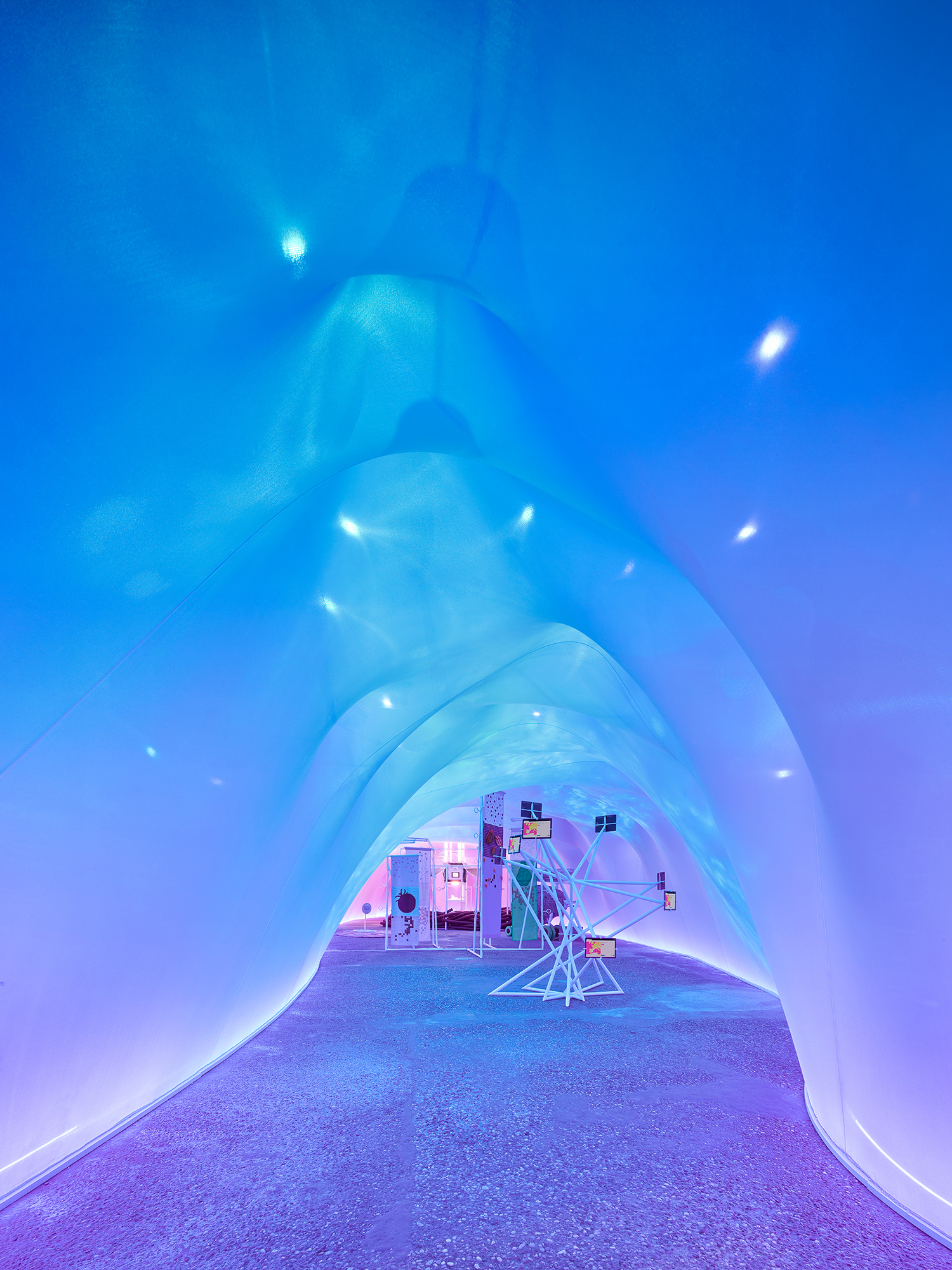
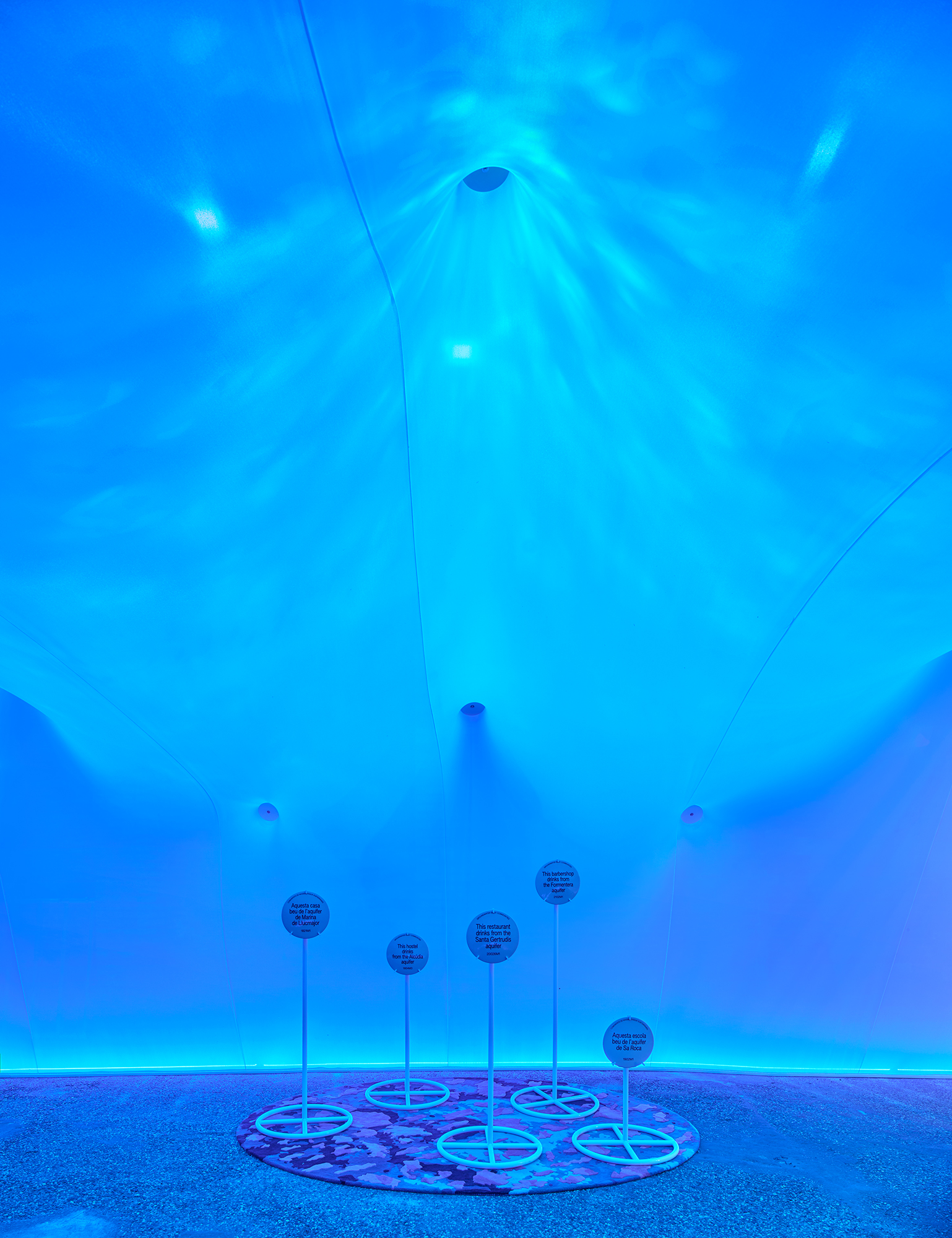
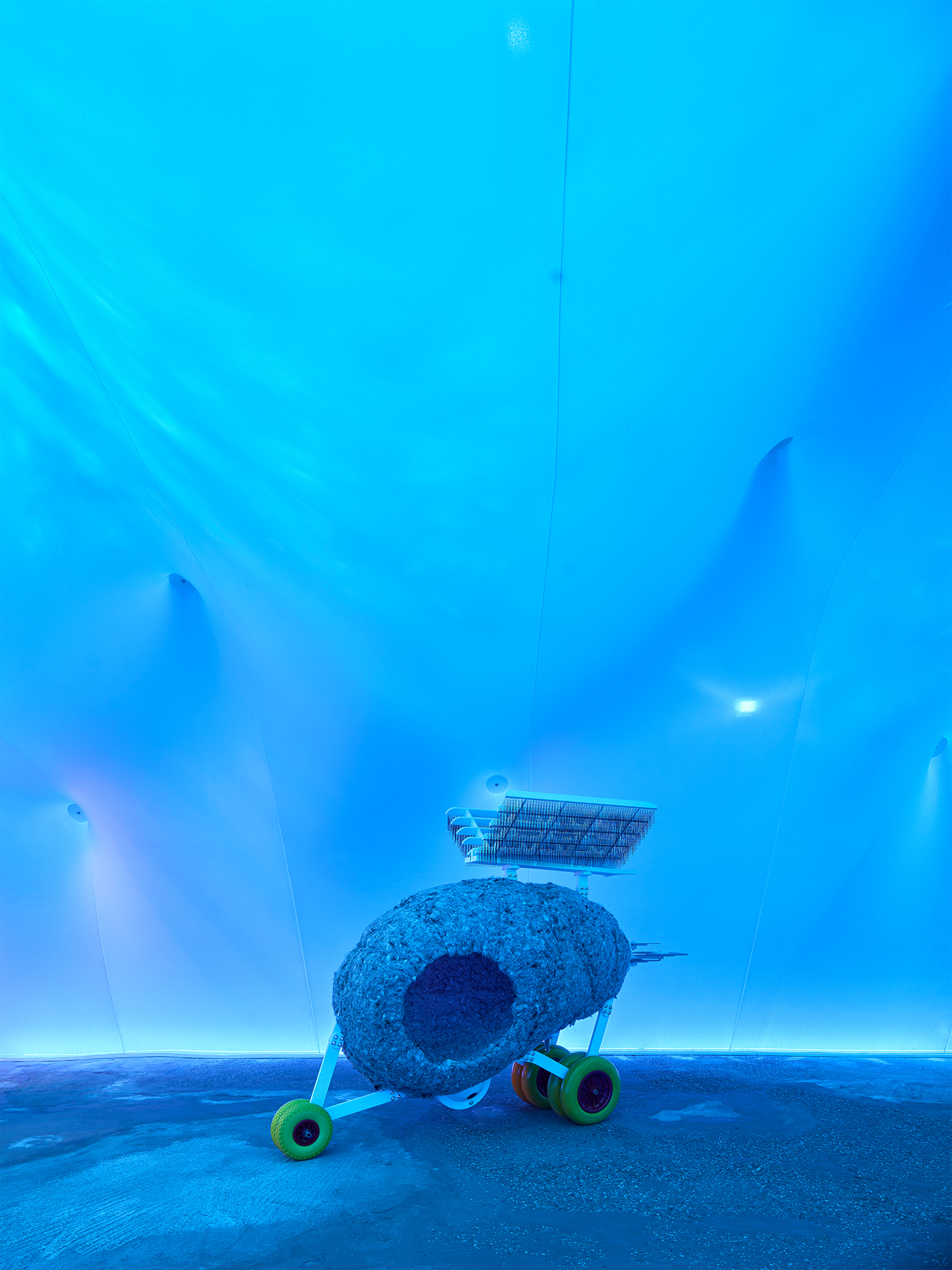
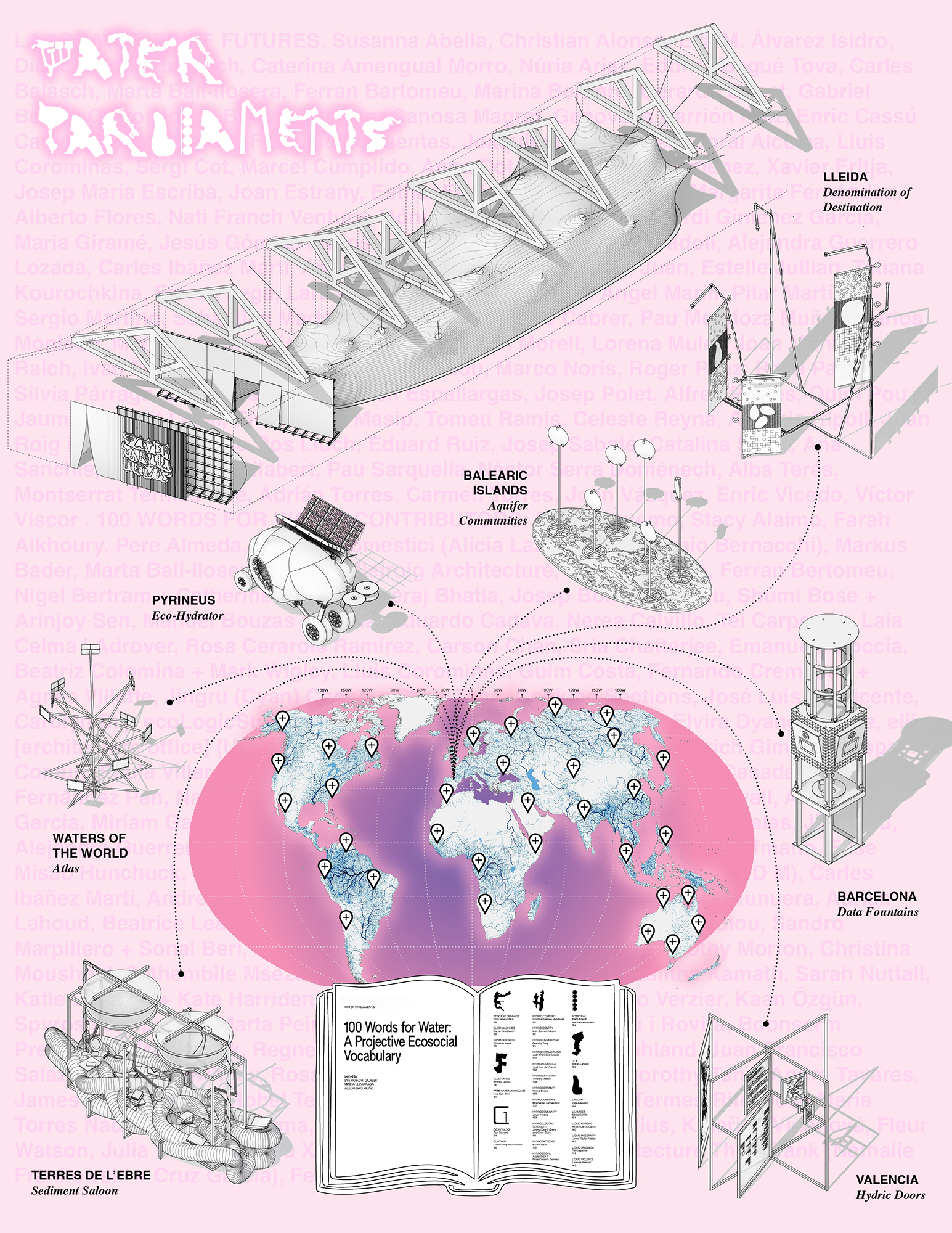
The waters of territories such as Lleida, Valencia, the Balearic Islands, the Ebro Delta, the Pyrenees, and Barcelona converge here, presented through seven projective architectures that symbolize conflicts and possible solutions: from urban data sources and sediment halls to aquifer communities and speculative forest devices.
The project is grounded in Laboratories of Futures, community-engaged explorations developed across Catalonia, Valencia, and the Balearic Islands. These local participatory processes have produced a choral film, a series of Projective Architectures installations, the book 100 Words for Water: A Vocabulary, and the Atlas for Water Architectures, a living platform of water-ecosocial practices around the world.
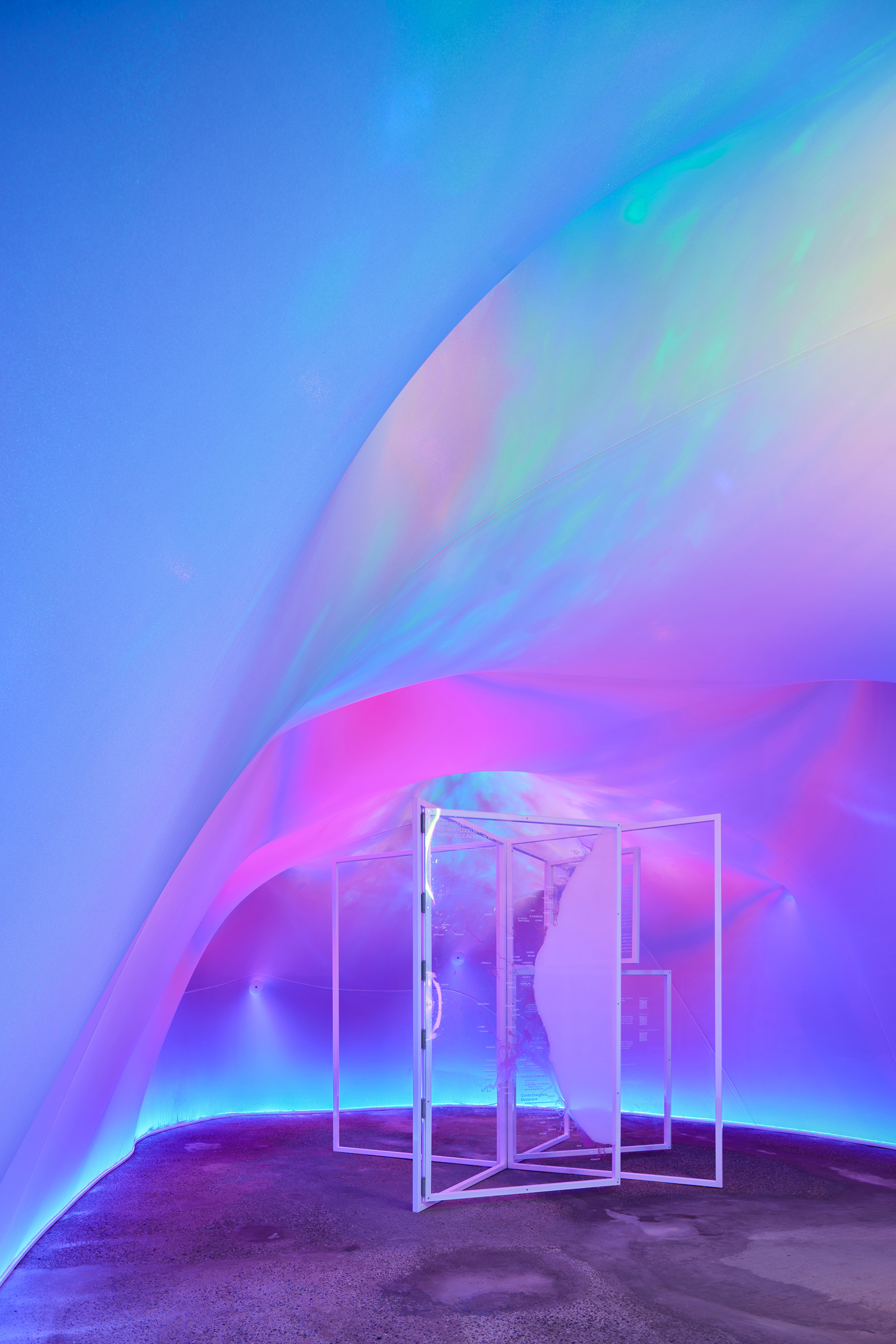
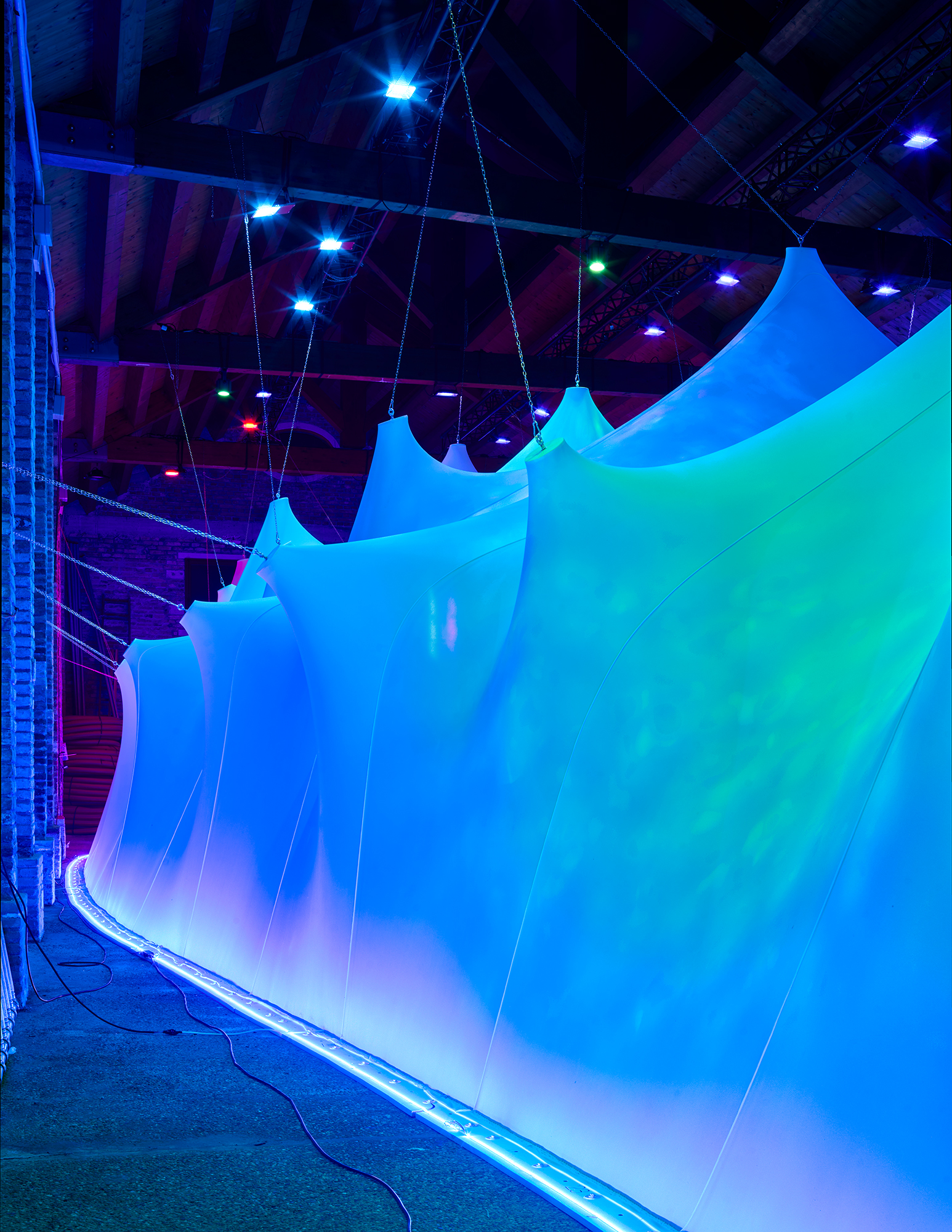
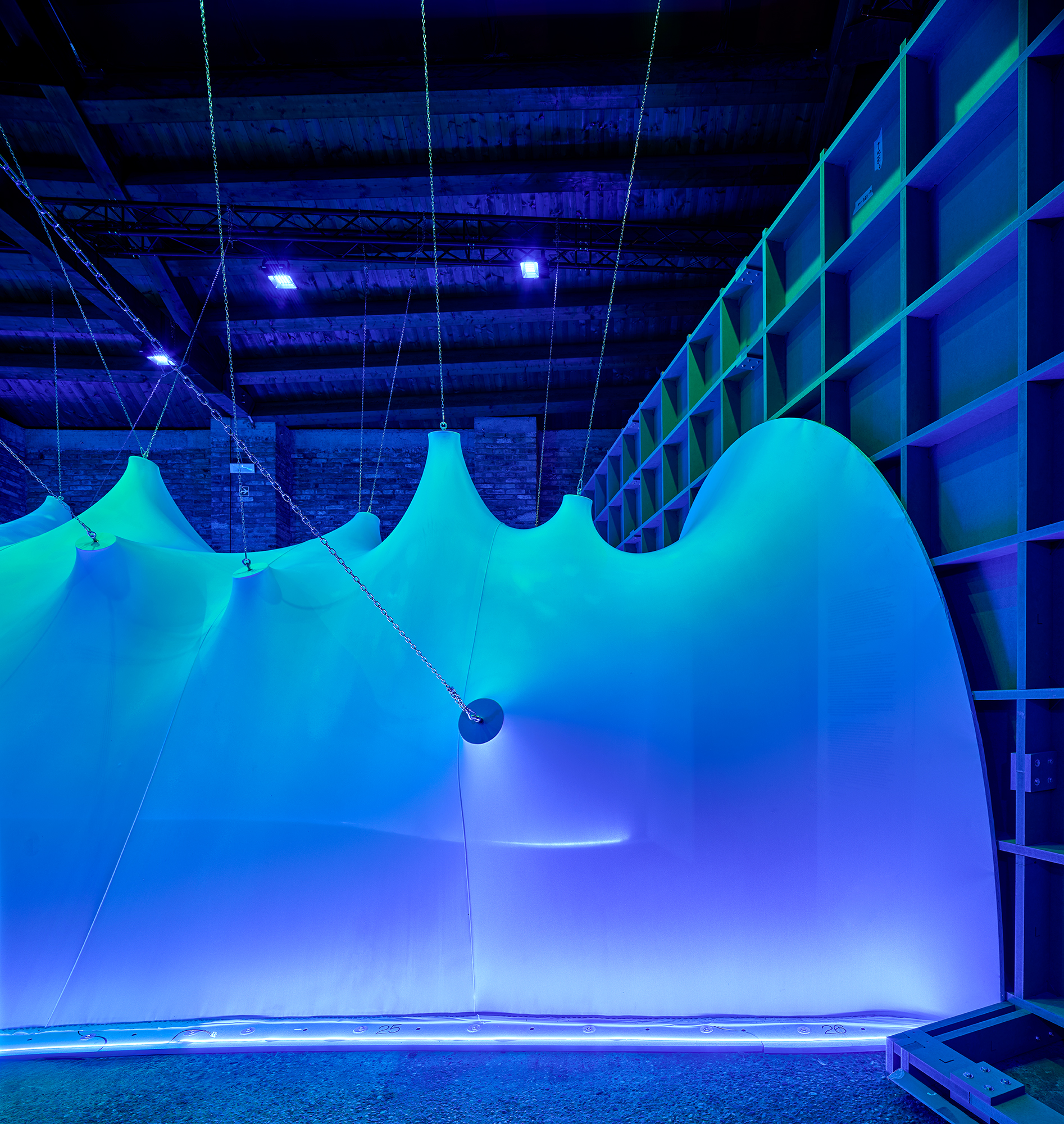
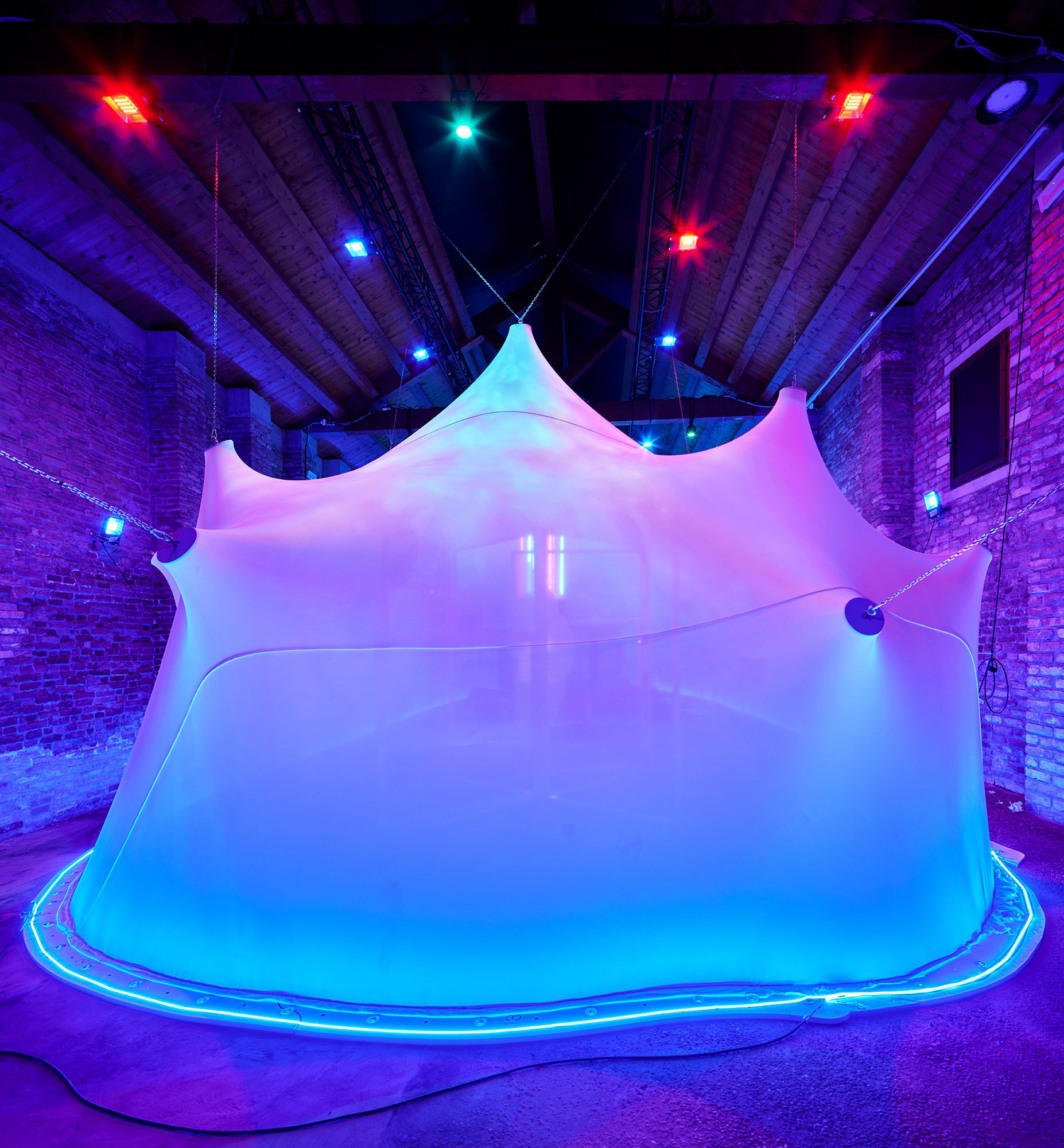
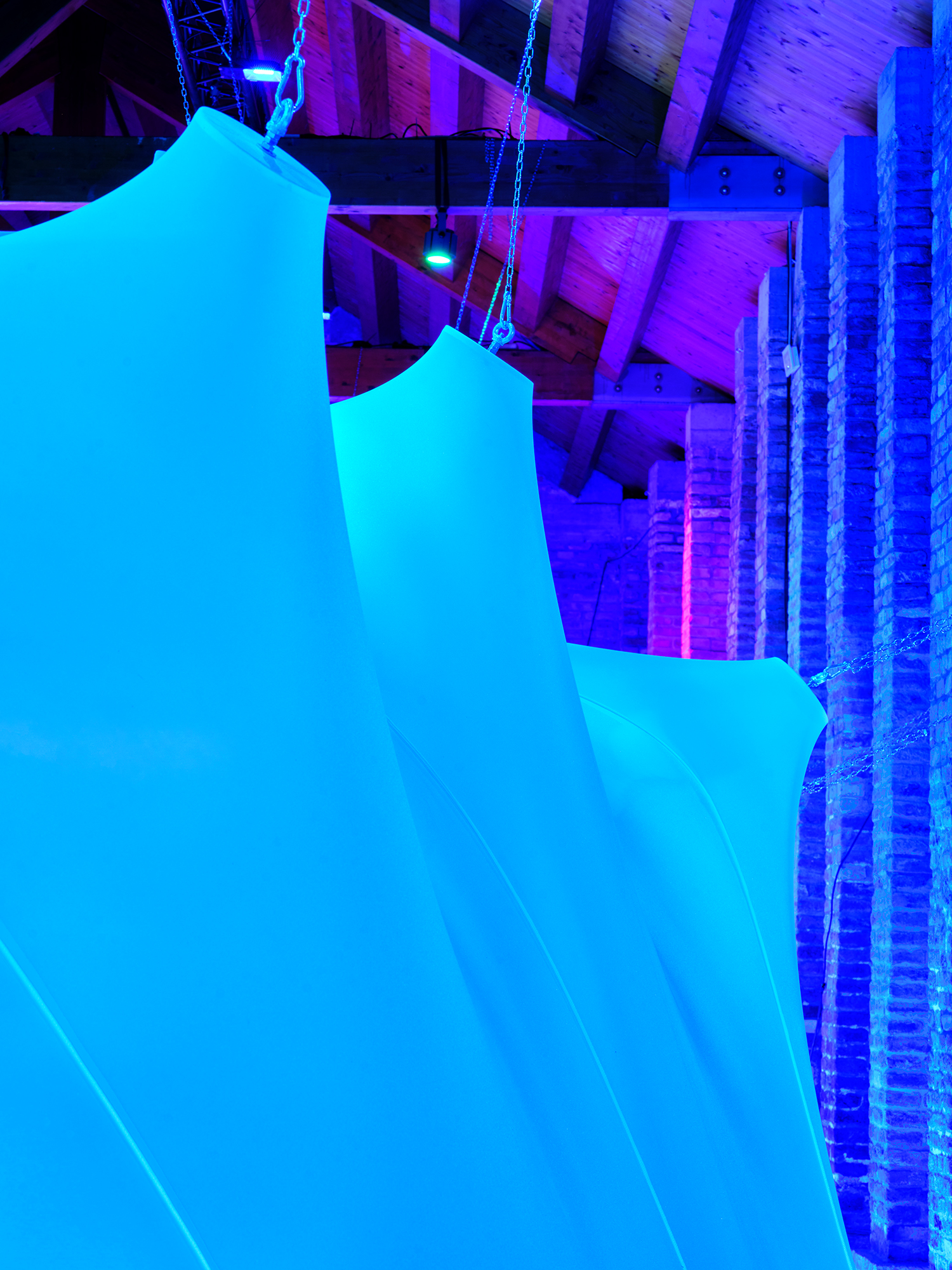
The exhibition presents all components of the project and combines design, sensory experimentation, and critical reflection. With programmed mists, translucent membranes, and floating structures, it invites visitors to reconsider their relationship with water as an active agent and subject of rights.
Ultimately, the project bridges the human and the non-human, the technological and the vernacular, the global and the local, to propose a new ecosocial governance of water from the perspective of architecture.
Droughts and other periods of water stress compel us to reshape the frameworks of political and economic agendas. In this sense, beyond considering water solely as an object of exploitation, the project highlights how different bodies of water connect humans, animals, plants, minerals, architectures, stories, legends, languages, and traditions, constructing cultural landscapes as specific as those of the Catalan territories, while remaining interconnected with ecological challenges on a planetary scale.
The waters of territories such as Lleida, Valencia, the Balearic Islands, the Ebro Delta, the Pyrenees, and Barcelona converge here, presented through seven projective architectures that symbolize conflicts and possible solutions: from urban data sources and sediment halls to aquifer communities and speculative forest devices.
The project is grounded in Laboratories of Futures, community-engaged explorations developed across Catalonia, Valencia, and the Balearic Islands. These local participatory processes have produced a choral film, a series of Projective Architectures installations, the book 100 Words for Water: A Vocabulary, and the Atlas for Water Architectures, a living platform of water-ecosocial practices around the world.
The exhibition presents all components of the project and combines design, sensory experimentation, and critical reflection. With programmed mists, translucent membranes, and floating structures, it invites visitors to reconsider their relationship with water as an active agent and subject of rights.
Ultimately, the project bridges the human and the non-human, the technological and the vernacular, the global and the local, to propose a new ecosocial governance of water from the perspective of architecture.
Architects:
TAKK (Mireia Luzárraga + Alejandro Muiño) and Eva Franch i Gilabert
Collaborators:
Berta Ribaudí, Lucas Vierkötter, Sergi Musach
Commissioned by:
Institut Ramon Llull
Graphic Design:
Arauna, Paratext
With the support of:
Columbia GSAPP New York, UMPRUM Praha
Photo:
José Hevia
TAKK (Mireia Luzárraga + Alejandro Muiño) and Eva Franch i Gilabert
Collaborators:
Berta Ribaudí, Lucas Vierkötter, Sergi Musach
Commissioned by:
Institut Ramon Llull
Graphic Design:
Arauna, Paratext
With the support of:
Columbia GSAPP New York, UMPRUM Praha
Photo:
José Hevia